About Ayurveda

Ayurveda is the most ancient form of medicine in the world, and the forerunner of all other great systems of medicine. Ayurveda literally means 'Knowledge of life' and its guiding principles are believed to have been handed down from the Hindu gods to the great seers.

Ayurveda and its relation to Indian philosophy is derived from the Vedas, the devine Hindu books of knowledge. The aim of Ayurveda is not only healing of the sick, but the prevention of illness and the preservation of life, and in that way it comprises the noble system of living that makes Ayurveda the most complete system of medicine and healthcare we know today.

Ayurvedic Medicine

Ayurvedic medicine is the traditional, all-embracing national system of medicine practiced in India and Sri Lanka. Ayurveda is a comprehensive system of healthcare, and its many elements work together prescribing a way of life, rather than a treatment for specific illnesses. Some of the elements of Ayurvedic medicine include:

  • Detoxification by Panchakarma
  • Diet
  • Yoga
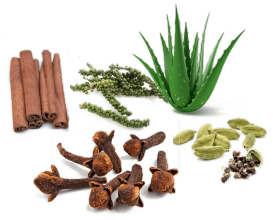
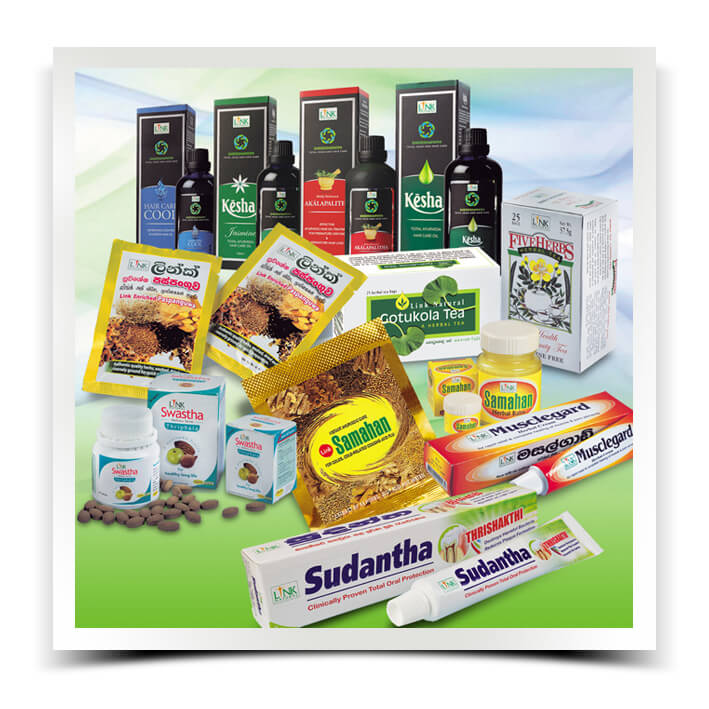
  • Herbal/mineral medication
  • Meditation

The basic Ayurvedic belief is that everything within the universe, including ourselves, is composed of five elements called panchamahabhuthas and thridoshas. By correcting the balance of thridoshas within ourselves and in relation to the world around us, we will promote our health on all levels.

Ayurveda treatments are unique

Ayurvedic treatment is tailored to the individual. There is no ONE treatment that works for an ailment in every person. The combination of the doshas that makes up one person might lead to optimum health for him. In another person, that balance of doshas may cause illness. Therefore, in Ayurveda each person must be treated individually. The skill of the practitioner lies in assessing each individual's constitution the Prakrti, diagnosing the causes of any imbalance, identifying the constitutional type and where the balance of doshas lie, and deciding upon the best possible system. Treatment is aimed at restoring the disturbed mechanism back to their dynamic balance.